How to choose the right micro-fulfillment center solution
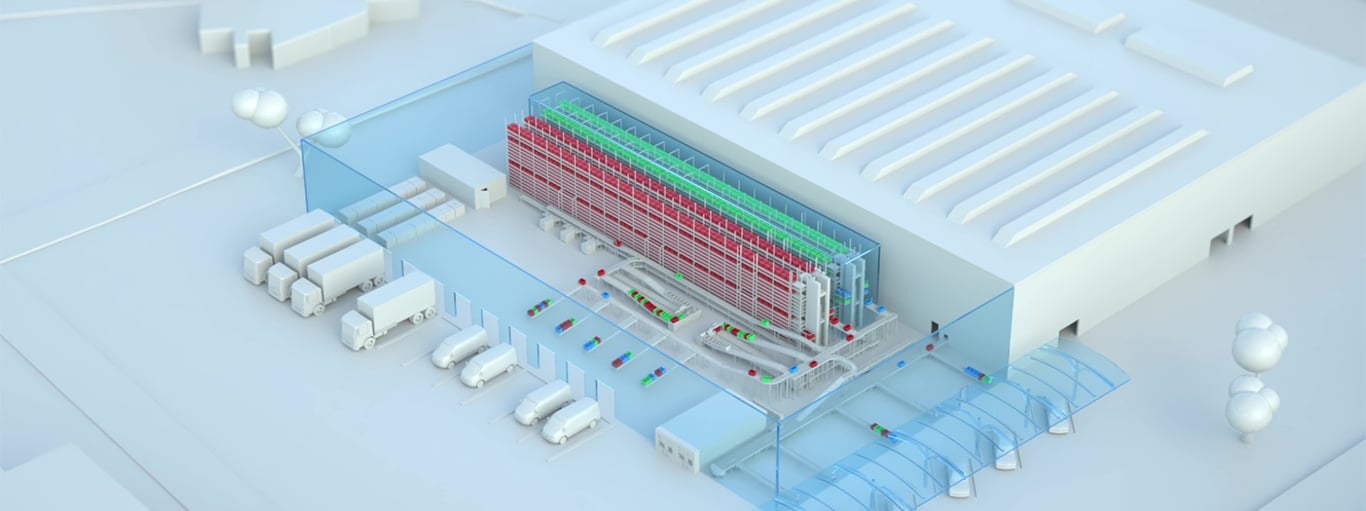
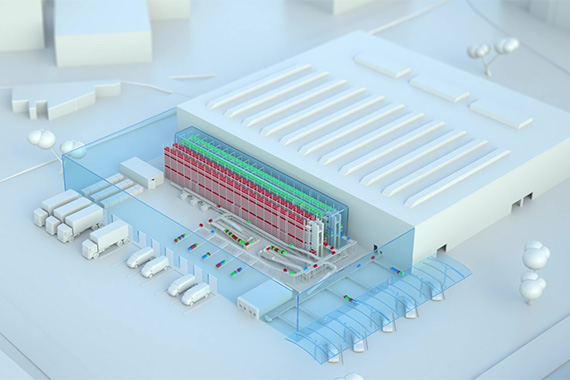
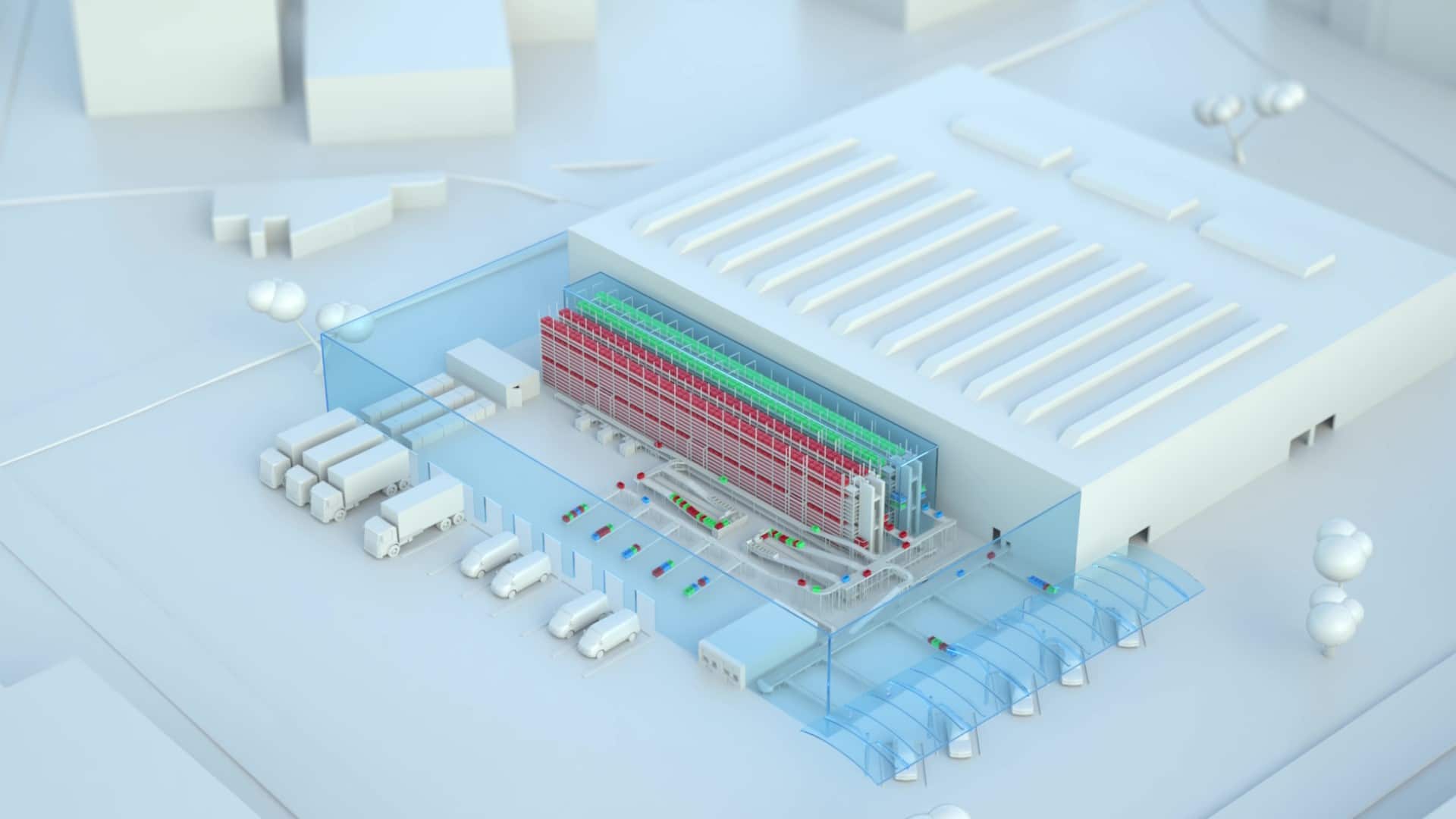
Selecting the right MFC solution requires balancing the physical constraints of urban real estate with your specific performance targets. SAVOYE works as a strategic partner to design MFCs that maximize every square meter while maintaining the flexibility to handle various product categories.
Key criteria for selecting an MFC
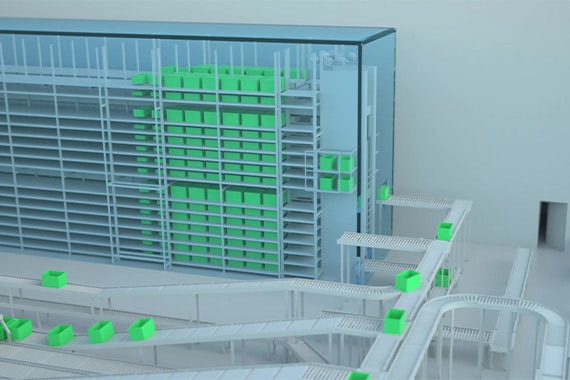
Focus on footprint efficiency (vertical height utilization), scalability (can you add more robots or shuttles?), multi-temperature capabilities (crucial if you handle fresh food), and software agility (the speed at which the system processes incoming web orders).
When to implement a micro-fulfillment center
You should implement an MFC when your last-mile delivery costs are soaring, your urban store networks are struggling to pack e-commerce orders manually from retail shelves, or your customers are demanding delivery times of under two hours.
All about Micro Fulfillment Center Q&A
How much does a micro-fulfillment center cost?
The cost of an MFC varies depending on the level of automation (shuttles, AMRs, or hybrid systems), the size of the physical space, and the volume of orders processed daily. Because SAVOYE designs modular systems, you do not need the budget of a massive automated hub to get started. We offer scalable options that allow you to automate high-velocity zones first and expand as your urban order volume grows.
What is the ROI of a micro-fulfillment center?
Most businesses in the Middle East achieve a full Return on Investment (ROI) for a SAVOYE MFC within 18 to 30 months. This rapid payback is driven by:
- Massive last-mile savings: shorter delivery distances dramatically reduce courier costs.
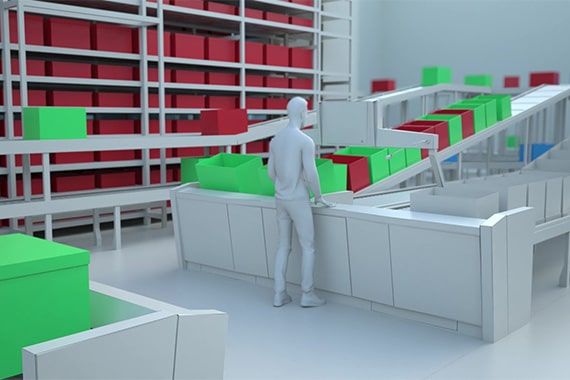
- Elimination of in-store picking labor: picking speed is up to 10 times faster than manual in-store picking.
- Real estate optimization: converting unused back-room space or a basement into a high-density logistics engine.
- Zero-error shipments: eliminating picking errors that lead to costly returns and lost customer loyalty.
How long does it take to deploy a micro-fulfillment center?
Deploying a SAVOYE MFC typically takes 6 to 10 months, depending on the physical site preparation and the selected automation technology. Our teams specialize in working within constrained urban layouts, ensuring that installation and software integration are completed with minimal disruption to nearby retail operations.
Can a micro-fulfillment center integrate with WMS or OMS?
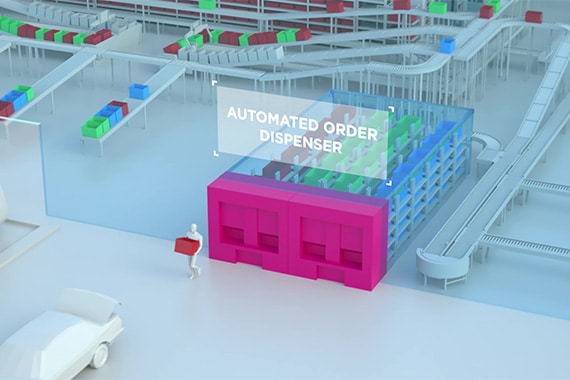
Absolutely. An MFC cannot function in a vacuum; it must be connected to your digital storefront. SAVOYE’s MFC systems integrate seamlessly with both OMS (Order Management System) and WMS (Warehouse Management System). This ensures that when a customer places an order on your website, the OMS instantly routes it to the closest urban MFC, and the local WCS executes the automated pick in milliseconds.
Is a micro-fulfillment center suitable for urban logistics?
Yes, it is the ultimate tool for urban logistics. In densely populated GCC metropolitan areas where real estate is scarce and traffic can delay long-distance shipments, the MFC is the only viable way to achieve rapid order fulfillment. By placing inventory just kilometers away from the consumer, SAVOYE MFCs help you bypass urban congestion, reduce your carbon footprint, and deliver on the promise of instant commerce.