When empty space costs more than the product
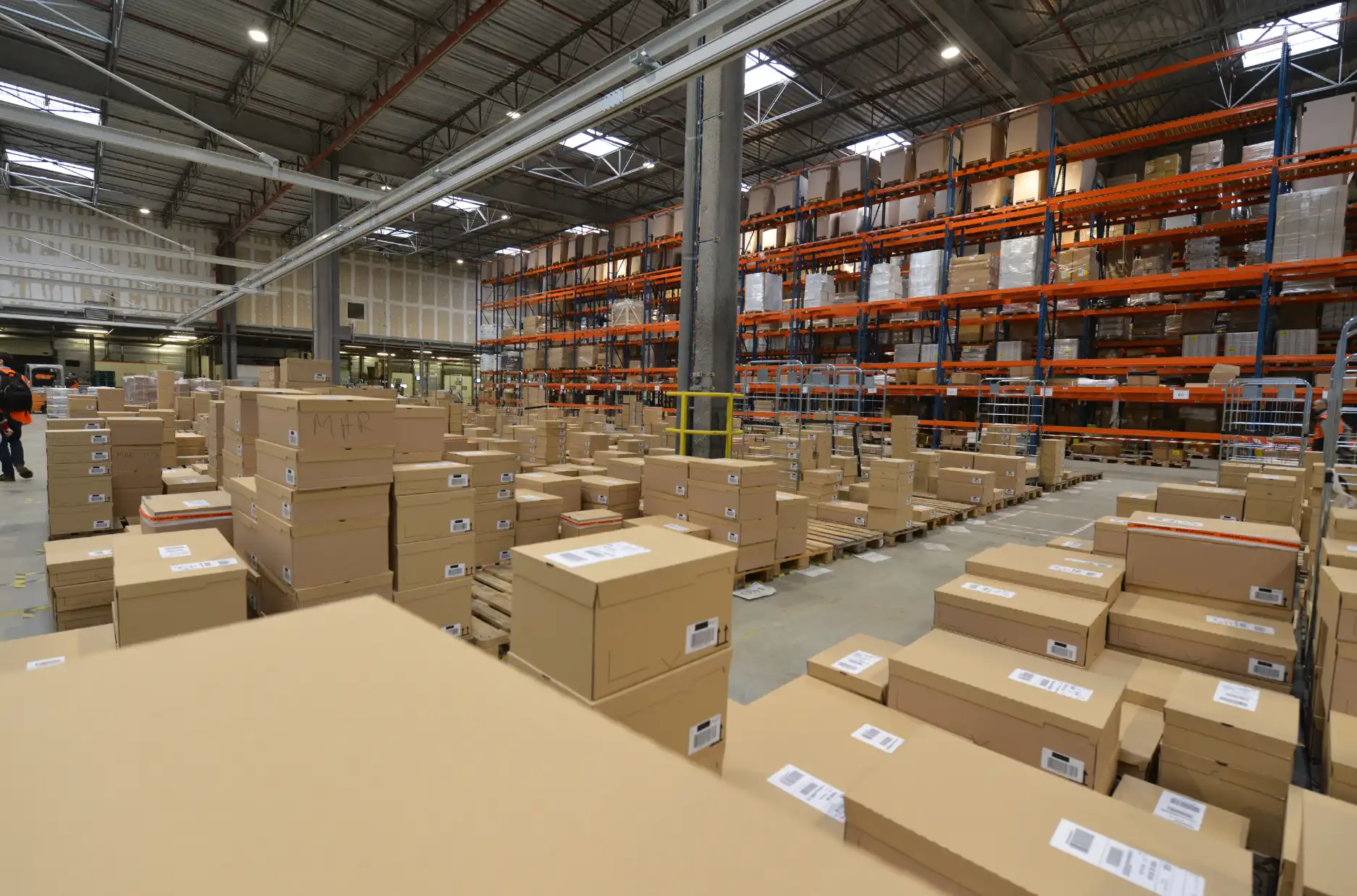
An improperly sized package automatically creates empty space. Yet shipping costs are increasingly based on volumetric weight. Shipping air therefore amounts to paying for wasted space. In certain e-commerce or B2B environments, the average fill rate ranges between 42% and 46%. More than half of the shipped volume contains no product.
- An invisible but massive cost
This finding often comes as a surprise when objectively assessed. Many companies believe they have optimized their packaging, until a volumetric analysis reveals that air is the primary “commodity” being transported. This empty space is not neutral. It results in more pallets, more trucks, more handling, more emissions, and ties up capital in consumables.
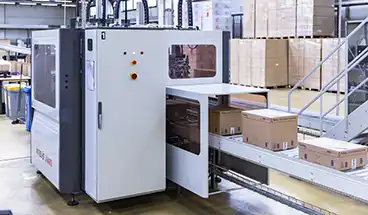
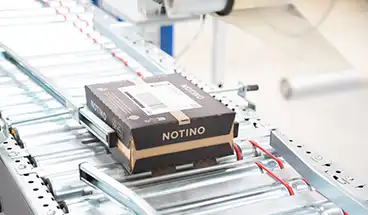
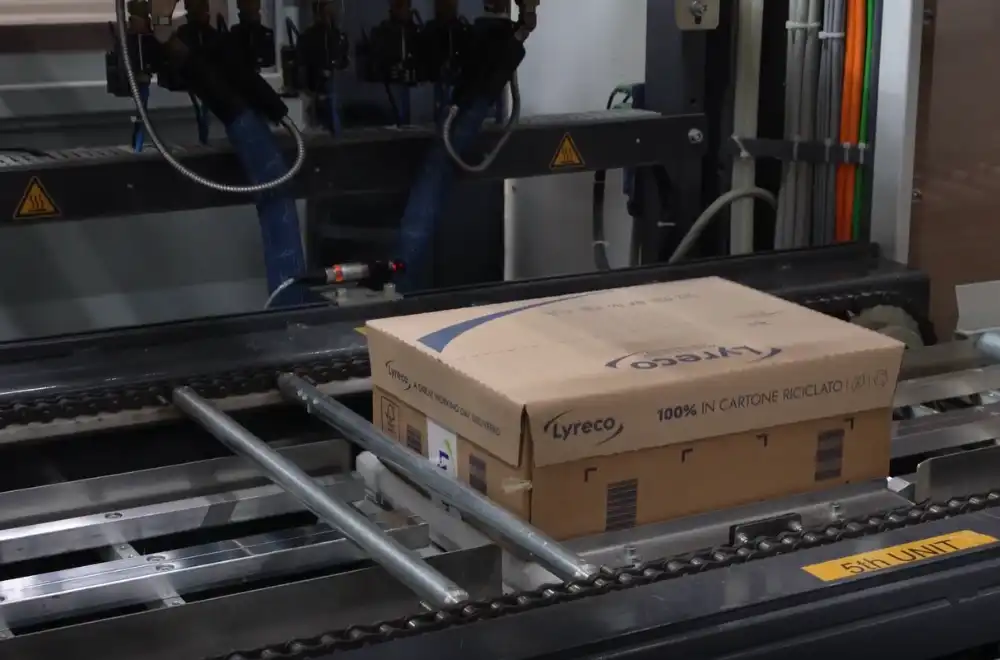
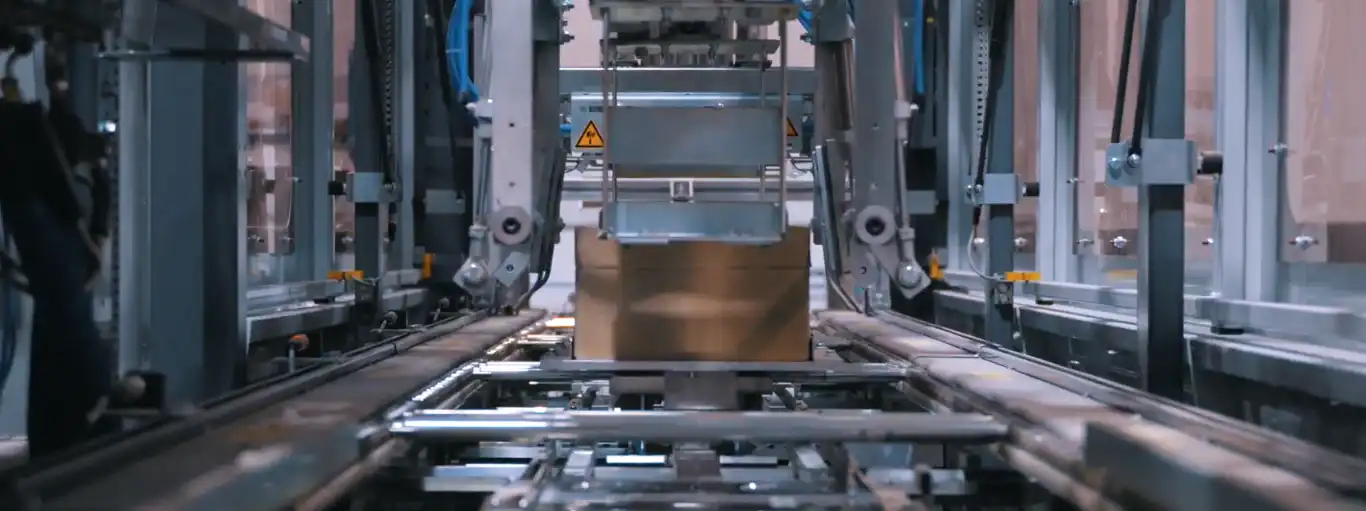
Streamlining packaging formats radically changes this equation. By combining standardized packaging with automatic adjustment of package height, it becomes possible to increase the average fill rate and reduce the total volume shipped by up to 30%.
This figure is no small matter. A 30% reduction in volume means up to 30% fewer pallets to handle and wrap. It means up to 30% fewer trailers. It means fewer trucks on the roads and an immediate reduction in CO2 emissions. It also means up to 50 to 60% fewer packing materials, or even none at all when the package fits perfectly.